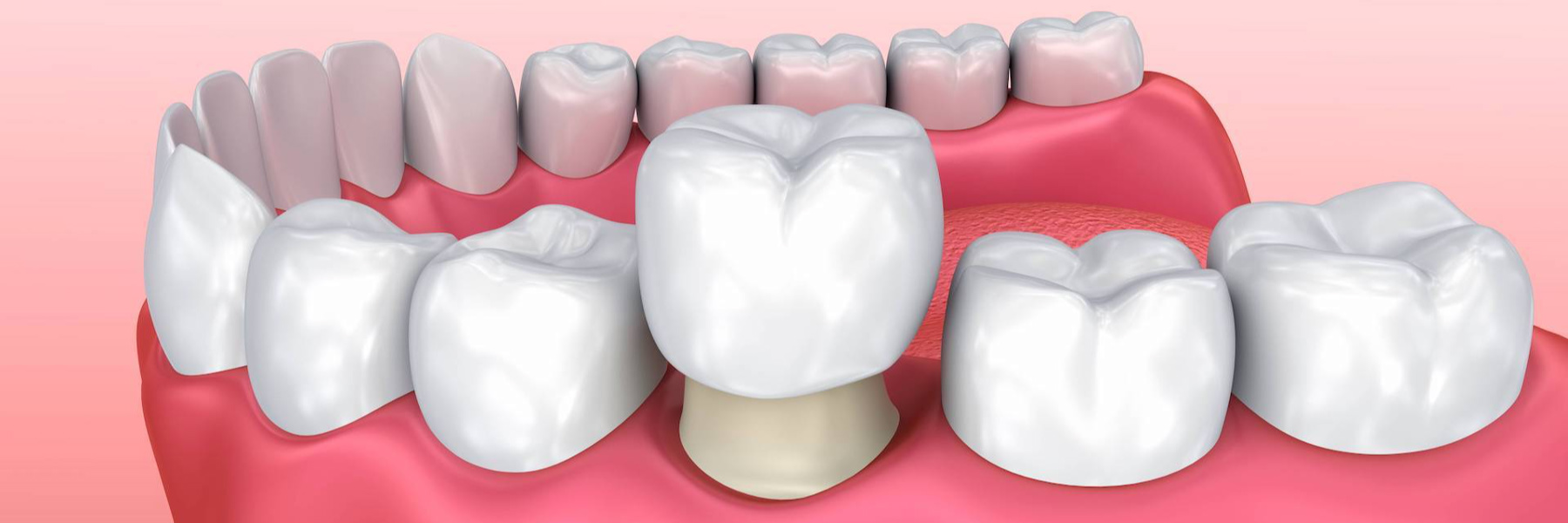

Dental restorations are designed to last for many years. And most do. It’s important to remember, however, that restorations like dental fillings, crowns, and bridges are not indestructible. Over time, consistent wear, bite pressure, grinding habits (bruxism), or underlying decay can cause older dental work to fail. Unfortunately, replacing failed restorations, or “redo dentistry,” sometimes becomes more complicated than the original treatment. Preventive care and careful treatment planning can help patients avoid unnecessary repeat procedures.
This is why, at Clarendon Family Dentistry, Dr. Brigid B. Mooney and our expert team focus on meticulous restorative care designed to protect both long-term function and natural tooth structure.
Why Dental Work Sometimes Fails
Even high-quality dentistry wears over time. However, some restorations fail earlier than expected because of hidden stress or oral health problems. In some cases, patients do not notice a problem until they experience pain, sensitivity, or visible damage.
Common causes of failed dental work include:
- Teeth grinding or clenching
- Decay developing beneath restorations
- Poor bite alignment
- Gum disease affects the support structures
- Delayed routine maintenance
The Importance of Early Detection
Routine dental visits allow your dentist to monitor restorations before small problems become major ones. A tiny crack or leaking margin may be repairable early, but will require full replacement if ignored for too long. Addressing these concerns promptly may help preserve more healthy tooth structure.
Patients can also aid this process by proactively watching for certain warning signs:
- Sensitivity around older dental work
- Rough or chipped edges
- Pain when chewing
- Food trapping around crowns or fillings
- Changes in bite “feel” or alignment
How Preventive Care Helps Protect Your Investment
High-quality restorations perform best when supported by healthy gums, stable bite function, and regular monitoring. Good oral hygiene, nightguards for grinding, and consistent preventive visits all help extend the lifespan of dental work.
Long-Term Restorative Dental Care in Arlington, VA
If you have concerns about aging dental work or want to avoid the future hassle of “redo dentistry,” contact Dr. Brigid B. Mooney and the Clarendon Family Dentistry team in Arlington to schedule a comprehensive evaluation.